People
Meet the Collaborative
HIMARC includes partners from academic institutions, government organizations, non-profit organizations, and indigenous and local community groups who come together to combine existing data, co-produce and interpret data products, and apply those data products to management applications
Who makes up HIMARC?
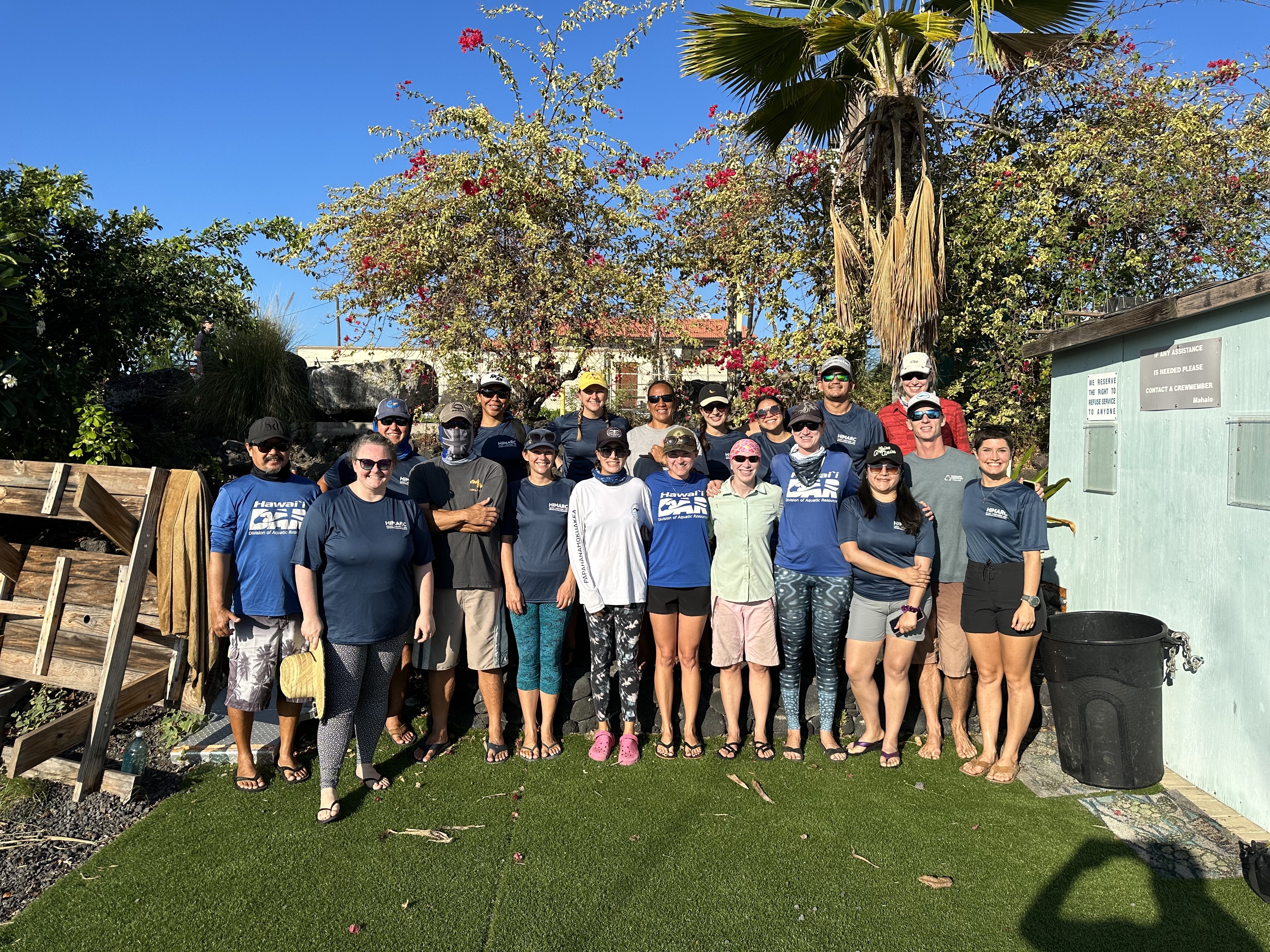
The mission, goals, and programs of HIMARC are carried out by the HIMARC ʻOhana: a collective group of scientists, managers, and stakeholders working to monitor and regulate nearshore ecosystems in Hawaiʻi. Our mission is made possible by consistent communication and collaboration among the diverse set of organizations and people spanning all aspects of the resource management landscape.
A Steering Committee made up of representatives from the ʻOhana ensures projects align with our mission, makes decisions on data sharing, and provides guidance to leadership. Day-to-day leadership, calibration, analysis, and communication is carried out by HIMARC’s core team.
HIMARC ʻOhana
Data Providers
HIMARC Core Staff
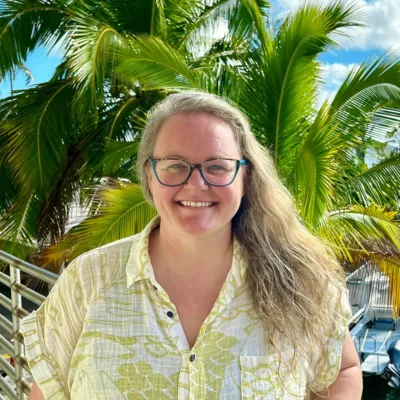 Dr. Mary Donovan Principal Investigator
 Vacant Data Integration Lead
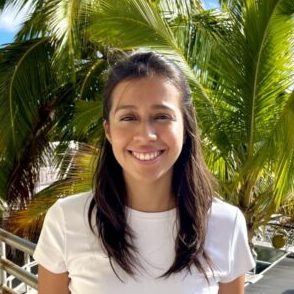 Amy Carrillo Geospatial Analyst
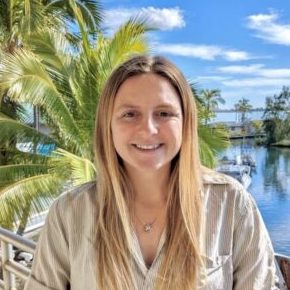 Callie Stephenson Graduate Research Assistant
Community Collaboration
We work with community groups across Hawai‘i to tailor our data products in a way that informs place-based management activities, exchanging ideas and working on creation and interpretation of these products collaboratively together. Likewise, our work is improved by the community’s deep understanding of place as we strive to keep respect and reciprocity at the forefront of our efforts.
Learn more about how our efforts are creating action by supporting community-based management.
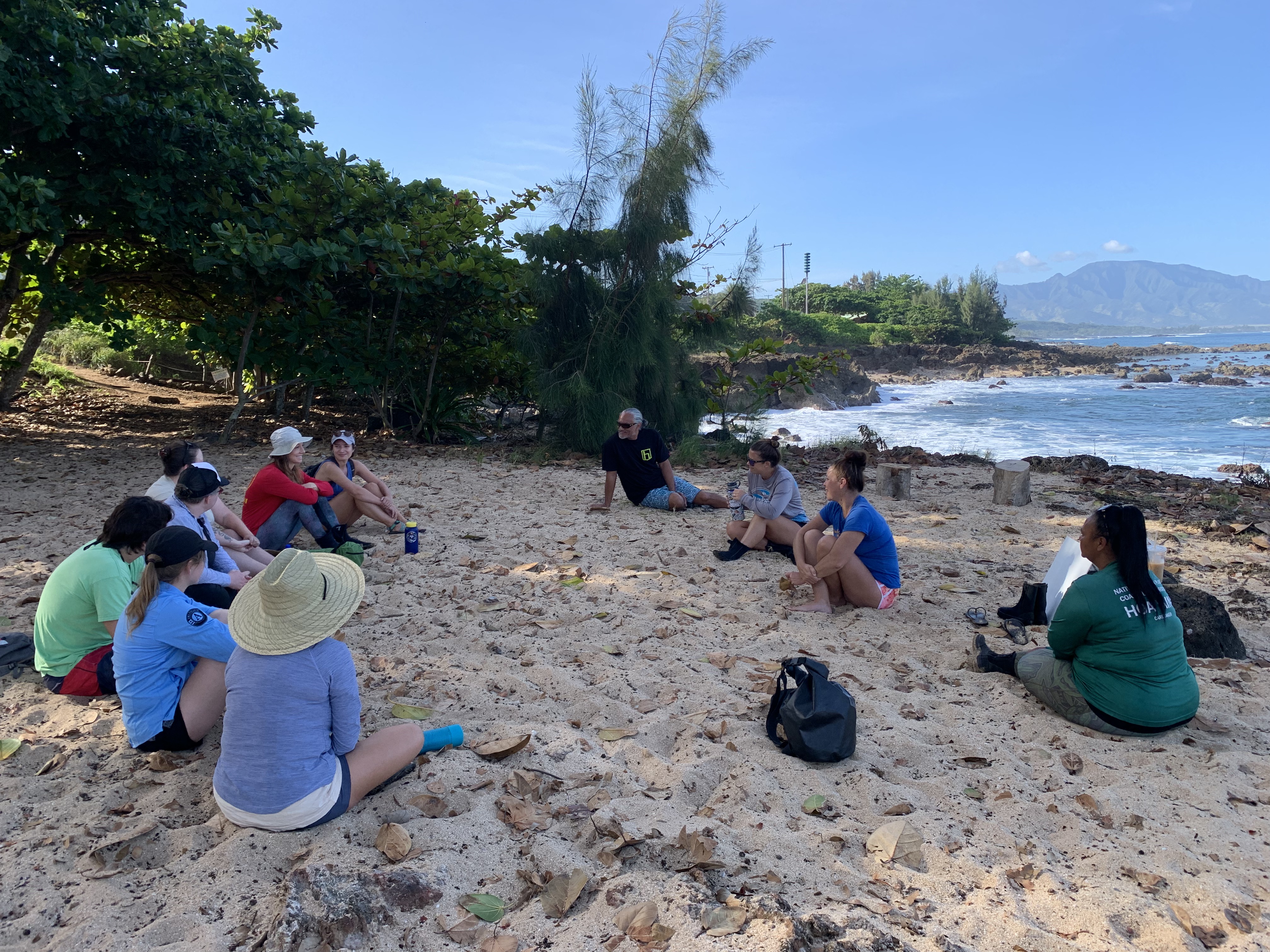
HIMARC acknowledges that the data collection, research, and management that occurs as part of our work is performed on land belonging to Kānaka Maoli native to the islands of Hawai‘i. We acknowledge the position of our work relative to indigenous wisdom by listening to the people of this land. We recognize that the space of indigenous data, data sharing, and co-production is evolving and we are committed to contributing to advancements in this area – doing so with transparency, respect and reciprocity. We celebrate multiple ways of knowing and work together with our partners to weave together our research with other ways of knowing, including but not limited to: traditional ecological knowledge, community-based monitoring, Western science, and fisher-based monitoring.